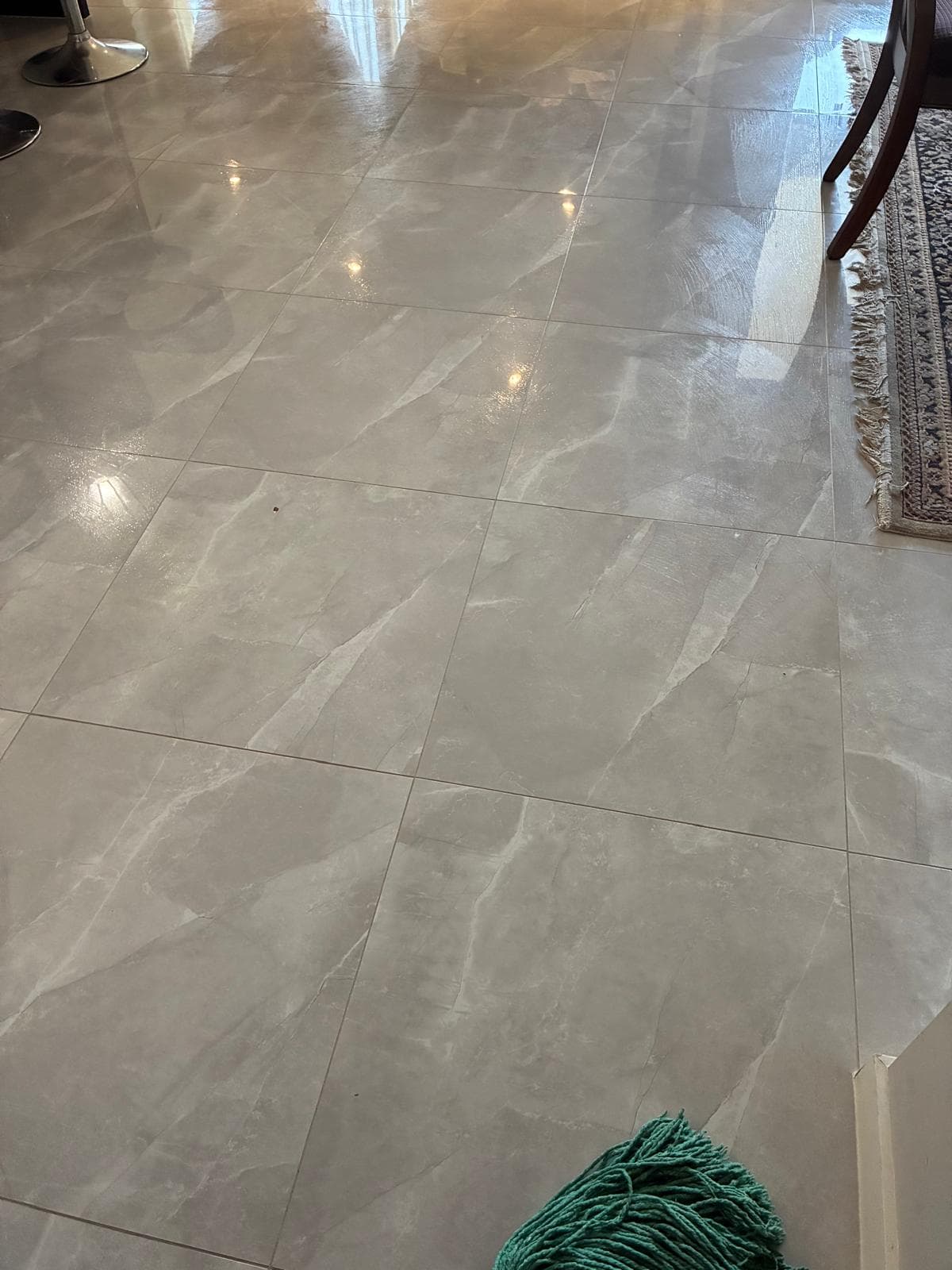
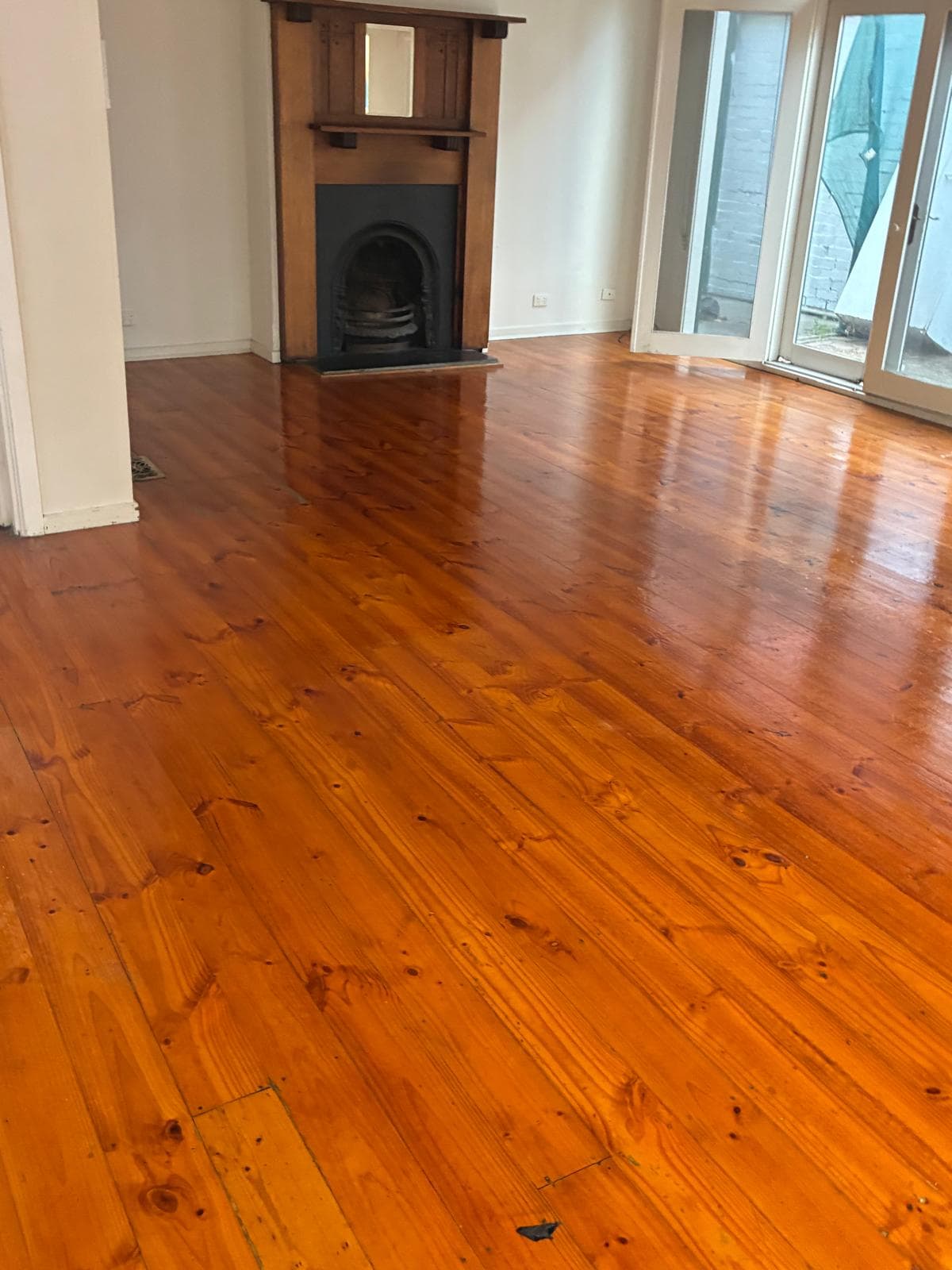
Retail shop cleaning covers the floors, counters, displays, fitting rooms, stockroom, toilets and shopfront glass, usually scheduled around trading hours, and the price depends mainly on floor area, how often the shop is cleaned and what is in the scope. A tidy shop supports sales, and a clear daily and weekly split keeps costs sensible. This guide sets out what to clean and when, what drives the price, and how to compare quotes.
Why shop cleaning matters
Customers read cleanliness as a sign of care. Grimy floors, smeared glass and dusty displays make products look worse. Clean shops are also safer for staff and customers, with fewer slip and trip hazards. Presentation matters most at the entrance, so that is where to start.
What a shop clean covers
A typical retail clean includes:
- Shopfront and internal glass wiped streak-free.
- Floors vacuumed, swept and mopped.
- Counters and the till area wiped and tidy.
- Displays and shelving dusted.
- Fitting rooms, mirrors, handles and hooks.
- Staff areas and stockrooms cleaned.
- Toilets cleaned and sanitised.
- Bins emptied and the entrance kept presentable.
You can see the same list on our retail shop cleaning service page.
Daily vs weekly scope
Splitting tasks by frequency keeps your cleaning effective without paying for deep work every day.
Daily (or every trading day)
- Empty bins.
- Vacuum, sweep and mop floors.
- Wipe counters, the till and touch points.
- Clean toilets and restock on request.
- Spot-clean the shopfront glass and door handles.
- Tidy fitting rooms.
Weekly
- Dust shelves, displays and ledges.
- Clean the full shopfront and internal glass.
- Wash and detail floors in problem areas.
- Clean the stockroom and staff room.
- Wipe skirting boards, doors and frames.
Monthly or as needed
- Deep clean floors or grout.
- Clean vents, light fittings and high areas.
- Wash walls and remove marks.
- Spot-treat carpet or machine-scrub hard floors.
For help choosing, see our guide on how often commercial spaces are cleaned.
What drives the cost
There is no flat rate for shop cleaning, because every shop is different. These factors decide the quote:
| Factor | Why it matters |
|---|---|
| Floor area | More area means more time |
| Frequency | Daily, several times a week or weekly |
| Scope | Floors only, or glass, toilets and stockroom |
| Floor types | Carpet, tiles, timber or polished concrete need different methods |
| Fitting rooms and toilets | Each adds detail work |
| Access | After-hours entry, keys, alarms and building rules |
| Add-ons | Window cleaning, pressure washing or periodic deep cleans |
| Condition | A first clean of a neglected shop takes longer |
Ask for a written scope with a fixed price per clean or per month. Do not compare quotes on price alone if the scope differs.
Cleaning outside trading hours
Most shops prefer a clean when customers are not there. Options include early morning before opening, after close in the evening, or overnight. Agree how the cleaner gets in, how the alarm works and who to call if there is an issue. Uday Cleaning cleans around trading hours and agrees these details before the first visit.
Shops in the Melbourne CBD
City shops often sit in buildings with their own rules: shared loading docks, lift bookings, restricted working hours and waste arrangements. Tell your cleaner early. We travel into the CBD, Docklands and Southbank from our Deanside base. Read how we work on our commercial cleaning Melbourne CBD page.
Choosing a shop cleaner
- Ask for a written scope and compare like for like.
- Check insurance and that staff are police-checked.
- Confirm after-hours access and alarm handling.
- Ask about products, especially for floors and glass.
- Test communication with your first enquiry.
- Start with a trial period if you are unsure.
Uday Cleaning is fully insured, uses police-checked cleaners and eco-friendly products, and offers free quotes.
Employment and award rates
Cleaning work is covered by Australian workplace laws and awards, which affect what reputable providers must pay their staff. This is one reason a very low quote can be a warning sign. For general information see the Fair Work Ombudsman.
Cleaning by floor type
The right method depends on what is underfoot, so tell your cleaner what you have:
- Carpet: vacuumed regularly, with periodic steam cleaning where it is heavily used. See our carpet cleaning service.
- Tiles and polished concrete: swept and mopped, with grout checked for build-up in wet entrances.
- Timber and laminate: damp mopped rather than soaked, to protect the finish.
- Vinyl: mopped with a suitable cleaner and checked for scuffs.
Entry mats and the first few metres inside the door take the most wear, especially on wet days. Cleaning those areas more often keeps dirt from being tracked through the shop.
Seasonal and event cleans
Retail has busy and quiet periods. Many shops add a deeper clean before a sale, a stocktake, a new season's range or a refit. After a fit-out, a builders clean removes construction dust before stock goes on the shelves. Ask your cleaner about builders cleaning if you are opening a new store or finishing a renovation.
A simple way to compare quotes
- Give every cleaner the same details: floor area, floor types, toilets, fitting rooms and frequency.
- Ask each to put the scope in writing.
- Compare the price per clean, then the total per month.
- Check what is excluded, such as glass or the stockroom.
- Ask how problems are fixed. Reputable cleaners will return and correct anything missed.
If a quote looks too good to be true, look at what has been left out.
Next steps
Read about our retail shop cleaning service, see how we approach gyms and fitness venues, or request a free quote with your floor area, cleaning frequency and access details.
Last updated 28 October 2026.
Frequently Asked Questions
Need a Professional Cleaner?
Get a free, no-obligation quote from Melbourne's trusted cleaning team.
Get a Free Quote →retail cleaningshop cleaningcommercial cleaningMelbourneshopfront cleaning
U
Uthayan
Uday Cleaning Team | Melbourne's trusted cleaning professionals since 2014.